

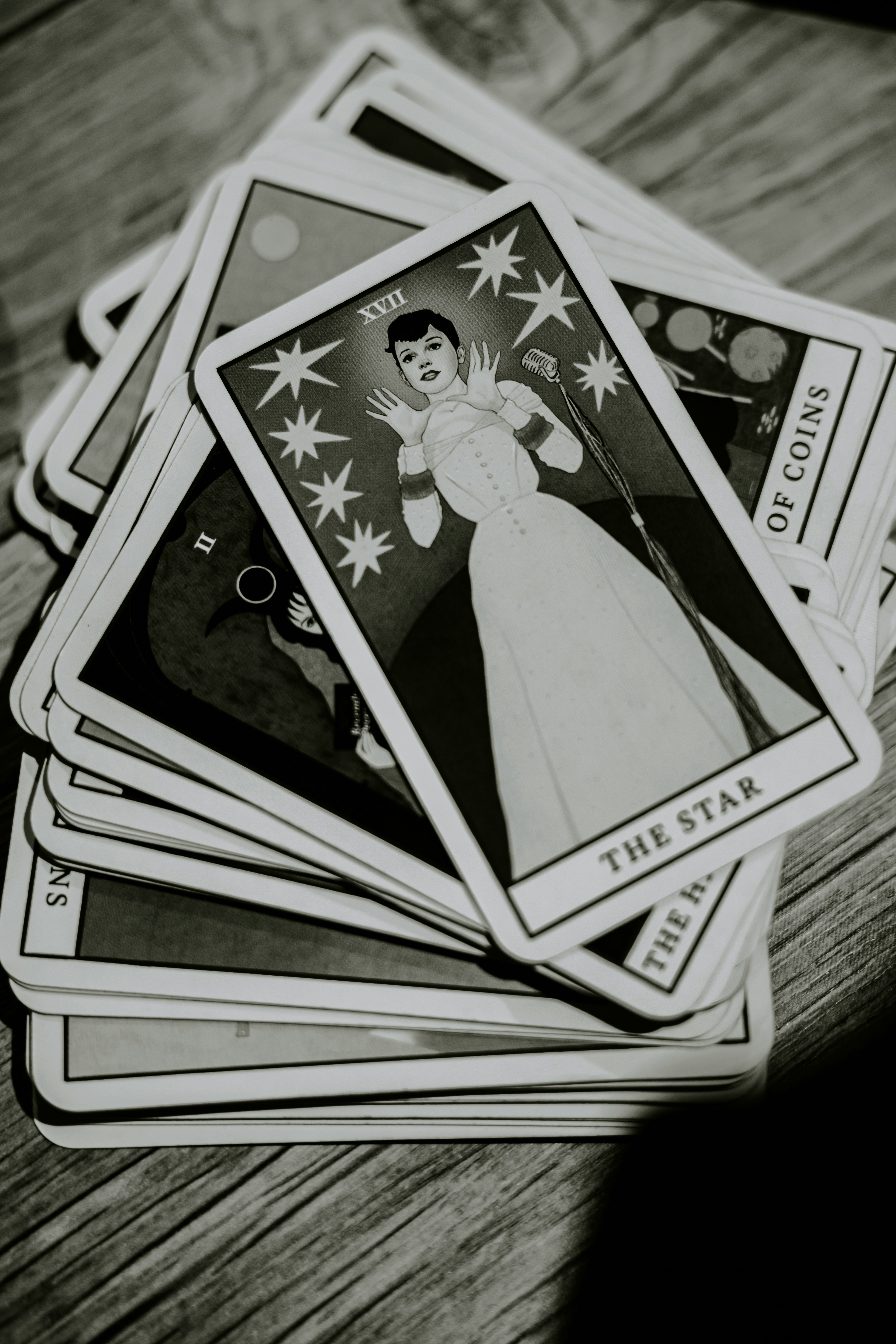
Welcome to Part III of my Divination and Writing Series! Here is Part I and Part II if you missed them. In Part III, we’re going to look at thematic elements in a text and how the Major Arcana cards can help define the point of your work.
Buckle up. This is going to be a long one.
Most writers can explain the surface of their story. They can easily describe the basic premise and provide strong character traits for the protagonist/antagonist. They can point to the central conflict or what is likely to crop up as an issue in the novel. Most serious writers, novice or experienced, find pleasure in creating these worlds in their minds or on an outline. Theme, however, is often harder to name. It is a more subtle part of the process, and far more important than many writers realize.
 Theme is not just what a story is about, although that is an important function. It is the deeper truth the story explores through conflict, symbolism, change, and consequence. It is the meaning beneath the plot. It’s the point of the book. Is this sounding like English class because I have some more…
A novel you might have read (or were assigned and ignored) in high school was Animal Farm by George Orwell. Spoilers ahead! On the surface this is a novel about a group of mistreated farm animals who overthrow the abusive farmer and take ownership of what they envision to be a farm utopia. As happens, factions emerge and power struggles become the norm. The animals end up right back where they started.
Underneath the basic plot of Animal Farm lies an extremely important theme: Corruption of power. The pigs begin with revolutionary ideals about equality and freedom, but once they gain power, they become just as oppressive as the farmer. Orwell is conveying that power changes people and it’s the responsibility of the masses to hold those in authority accountable. The theme forces the audience to look closely at the structures and people in power. 
Without a theme, even a strong concept can feel hollow.
This is one reason the Major Arcana can be so useful to writers.
The Major Arcana works through archetypes of transformation, illusion, sacrifice, power, awakening, grief, truth, and becoming. These are the deep patterns that shape a human life, which makes them powerful tools for uncovering the deeper soul of a story.
If plot tells us what happens, theme tells us why it matters. Your novel won’t work as well without it.
Why the Major Arcana Works So Well for Theme
In tarot, the Minor Arcana often reflects daily tensions, emotional situations, relational dynamics, and practical concerns. It’s your day-to-day life. The Major Arcana moves on a larger level. They describe major turning points in life.
According to one of my favorite tarot sites, Biddy Tarot, “The 22 Major Arcana cards represent life’s karmic and spiritual lessons. They represent a path to spiritual self-awareness and depict the various stages we encounter as we search for greater meaning and understanding. In this way, the Major Arcana cards hold deeply meaningful lessons on a soul level.”
For writers, that makes these 22 cards especially useful when trying to identify a story’s deeper meaning.
A Major Arcana card can help you ask: 
- What is this story really wrestling with?
- What transformation lies beneath the plot?
- What truth is the protagonist resisting?
- What deeper archetypal energy shapes this novel?
Sometimes your theme is already there, but you have not yet named it clearly. Sometimes you are still writing close to the surface and need help finding the deeper current underneath.
The Major Arcana can help with both.
Theme Is Not the Same as Message
Before going further, it helps to make an important distinction.
Theme is not a lecture. It is not a moral. It is not a statement (or quote) you force down the reader’s throat.
A strong theme is a truth, a question, or a recurring pattern that the story explores. Think back to my earlier example in Animal Farm. Perhaps Orwell saw the state of the world’s political leaders and asked the question: why do revolutions so often repeat the same abuses they promised to end? That is the theme. Here is a helpful breakdown from an English teacher (me):
- Topic: propaganda
- Theme question: How do leaders persuade people to accept lies?
- Possible theme statement: Repetition, fear, and manipulative language can make people doubt their own memories/feelings/opinions and accept falsehoods as truth.
This matters because theme does not come from the surface topic alone. A novel about grief is not automatically about grief in a meaningful way. Theme emerges from the deeper inquiry (theme question) within the work. Okay, so how do you make this work? Think to yourself:
 Is grief something that must be endured, integrated, denied, or transmuted?
Then, answer those question with your theme statement. This helps to craft your deeper purpose and the patterns of your characters. You could conclude:
Grief must be endured with a stoic attitude in order to grow into a man respected in the community.
You will ultimately create multiple themes in a novel that work together to form a narrative that feels weighty. The Major Arcana helps writers move beyond subject toward significance. It opens the door to deeper pattern, deeper tension, and deeper meaning.
How to Use the Major Arcana to Find Your Story Theme
A simple way to begin is to pull a single Major Arcana card and ask:
What deeper theme is trying to emerge through this story?
You can also use a three-card spread: 
1. The deeper theme
What archetypal truth lies at the center of this story?
2. The protagonist’s resistance
What truth, lesson, or transformation does the main character resist?
3. The story’s invitation
What deeper movement is the story asking the character and reader to witness?
This works especially well if you already have a premise or partial draft but feel that something deeper still needs to come into focus. I will give an example of this below.
Major Arcana Themes for Writers
Below are a few examples of how Major Arcana cards can point toward story theme. These are just my interpretations and you can feel free to use the meaning to interpret a theme in whatever way fits your narrative best.

The Fool
Themes of beginnings, innocence, risk, trust, freedom, and the leap into the unknown. A Fool-centered story may ask what it means to begin before certainty exists.

The Magician
Themes of will, creation, power, language, agency, and manifestation. This card may suggest a story exploring the responsible use of power or the tension between authenticity and performance.

The High Priestess
Themes of intuition, mystery, inner knowledge, silence, hidden truth, and the unseen. A story shaped by this card may center on what is known but unspoken.

The Empress
Themes of abundance, embodiment, sensuality, creativity, motherhood, nourishment, and beauty. It may also touch on overprotection, self-worth, or identity tied to caretaking.

The Emperor
Themes of order, control, authority, discipline, leadership, and structure. This card may raise questions about whether structure creates safety or suffocation.

The Hierophant
Themes of tradition, institutions, inherited belief systems, conformity, initiation, and spiritual authority. It often appears in stories about belonging, dogma, or breaking from inherited truth.

The Lovers
Not just romance. This card often speaks to values, devotion, alignment, sacred choice, and the tension between desire and integrity.

The Chariot
Themes of determination, momentum, conflict, victory, self-control, and divided forces needing direction. This can point to stories where outward success masks inward fragmentation.

Strength
Themes of emotional courage, inner steadiness, restraint, compassion, and the kind of power that does not need domination to prove itself.

The Hermit
Themes of solitude, truth-seeking, withdrawal, introspection, wisdom, and spiritual maturity. This card often asks what must be left behind in order to hear a deeper truth.

Wheel of Fortune
Themes of destiny, timing, change, cycles, surrender, and the limits of personal control. This card may suggest a story about adapting to forces larger than the self.

Justice
Themes of truth, accountability, consequence, moral reckoning, cause and effect, and balance. Justice often points toward stories where something must finally be faced.

The Hanged Man
Themes of surrender, delay, sacrifice, suspension, reversal, and new perspective. This card often suggests that transformation requires stillness, release, or a painful shift in perception.

Death
Themes of endings, grief, metamorphosis, identity death, release, and necessary change. A Death-centered story often asks what must end so something truer can begin.

Temperance
Themes of healing, integration, patience, harmony, balance, and the blending of opposites. This card often appears in stories about wholeness after fragmentation.

The Devil
Themes of bondage, obsession, control, desire, addiction, shame, illusion, and self-created prisons. This card may shape stories about false freedom and the cost of denial.

The Tower
Themes of collapse, revelation, upheaval, truth, destruction of false structures, and forced awakening. The Tower often signals stories in which illusion can no longer stand.

The Star
Themes of renewal, hope, faith, healing, vulnerability, and spiritual restoration. It often arrives after devastation and asks whether trust can return.

The Moon
Themes of illusion, fear, dream logic, intuition, uncertainty, hidden motives, longing, and the unconscious. Moon-centered stories often carry ambiguity and emotional undercurrents.

The Sun
Themes of clarity, vitality, joy, truth, self-expression, innocence, and revelation. This card may suggest a story about authenticity and the courage to be seen fully.

Judgement
Themes of awakening, reckoning, calling, rebirth, absolution, and the return of what has long been buried. Judgement often appears in stories about answering a deeper life call.

The World
Themes of wholeness, completion, fulfillment, mastery, integration, and the end of a meaningful cycle. This card often points toward earned arrival after a long transformation.
Example: The Hanged Man as a Story Theme
Imagine you pull The Hanged Man for your novel.
On the surface, your story may look like a romance, a mystery, or a family drama. You have no idea how this card could fit your idea. Thematically, this card suggests delay, letting go, and release among other things. You get to thinking about new perspectives and something clicks! Perhaps this is a story about surrender, delayed progress, reversal, or the painful wisdom that comes from seeing life differently. It can still be a romance/mystery/drama, but with a deeper layer. What happens when we surrender control and let life lead us in a new direction?
 Okay, maybe you can work with this card after all. The protagonist may spend much of the novel trying to force a romantic outcome. Yet the deeper truth of the story may be that transformation only begins when control loosens.
That insight affects everything. This is getting exciting. I love the feeling when ideas start coming together! Inspiration!
You may suddenly understand why waiting matters in this book. You may see that stillness is NOT a flaw in the structure but part of the thematic design. You may realize that frustration, suspension, and reversal are not merely obstacles in the plot. They are part of the story’s deeper meaning.
Helpful Thematic Questions to Ask After You Pull a Card
Once you pull a Major Arcana card for theme, ask yourself:
- What truth does this card seem to be asking the story to explore?
- Where is this energy already present in the plot?
- Which character resists this lesson most strongly?
- What would embracing this energy require?
- What false belief stands in the way?
- How could this theme appear through imagery, setting, symbolism, or repeated motifs?
- How might this card show up differently at the beginning and end of the novel?
These questions help you translate archetypes into actual writing choices.
I was thinking about making a guide to help interpret these questions with each individual Major Arcana card. If this is something you might be interested in using, please comment below. I love to hear feedback that can help my work grow.
Final Thoughts on Using Tarot for Story Theme
The Major Arcana reminds us that stories are not just events on a timeline. At their best, they are journeys of transformation. They ask characters to confront truth, illusion, fear, desire, loss, awakening, power, and becoming. This is what it means to be human.
Something important that I must note is that thematic card should guide the work, not imprison it. You do not need to force every scene to match the card in an obvious way. In fact, that usually weakens the writing. The goal is not to turn your novel into a tarot lesson. The goal is to become more conscious of the deeper pattern already moving through the story.
That is why the Major Arcana can be such a powerful tool for writers.
When you use these cards to explore theme, you are not asking tarot to write the novel for you. You are using it to uncover the deeper current beneath the story’s visible surface. Use it as inspiration just like you use anything else that might inspire your work.
Very often, that is where the real story begins.

Leave a Reply