



Discovering the Enduring Magic of Folk Tales in Literature By Taking a Journey Through Time and Culture

A Portal to Other Worlds
Folk tales are like well-worn pages of a magical book, passed down through generations. When done properly, these tales transport us into a different world. As we delve into the rich tapestry of these stories, we are introduced to mythical creatures, valiant heroes, wise elders, and a mosaic of human experiences.
This article will take you on a fascinating journey through the genre of folk tales, highlighting their origin, significance, cultural variations, and their enduring impact on contemporary literature. Perhaps your writing could delve into the world of folk tales to impart a moral lesson or sprinkle a little magical wisdom on your reader.
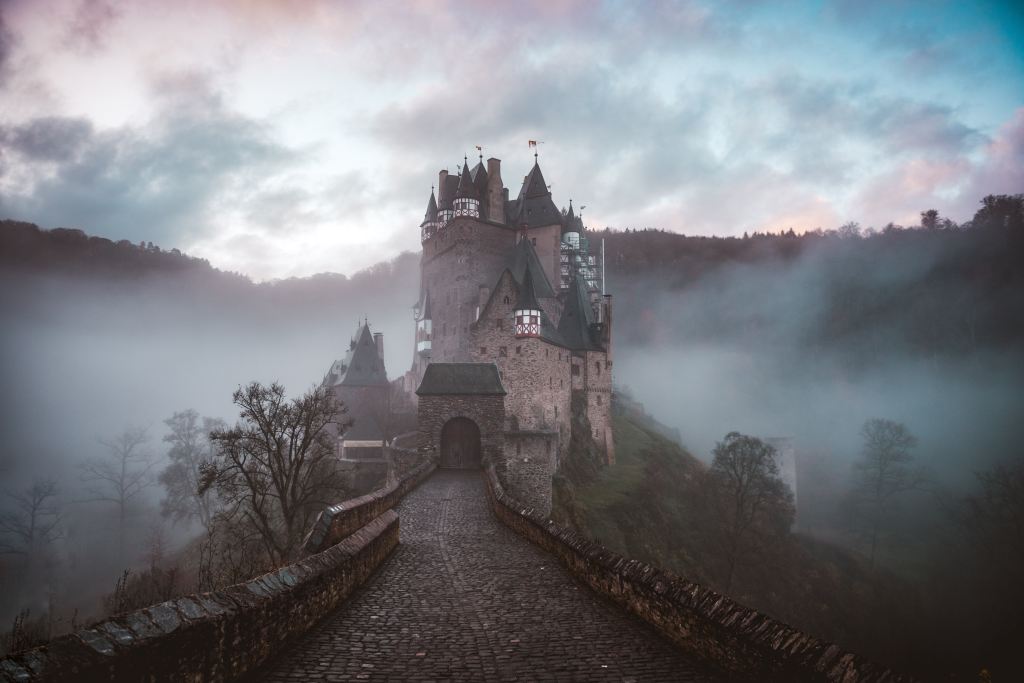
Origins: Whispered Through the Ages
The roots of folk tales are embedded in the oral tradition. Before the invention of writing, stories were the sinew that connected generations. Passed down orally, they evolved as they were retold, becoming integral to the collective consciousness and the primary means of preserving history and tradition.
While the exact origins of many folk tales are unknown, some date back several millennia and draw upon elements from ancient civilizations such as Greek, Roman, Mesopotamian, and Egyptian. Their traditions in storytelling were extremely valuable to the people and culture because, through stories, these societies passed down knowledge of their ancestors, historical events, and traditional customs from one generation to the next.
In essence, storytelling is not just recounting tales but a fundamental human activity that shapes cultures, values, and social structures. It is a bridge connecting the past, present, and future, and a thread that weaves the tapestry of human civilization.


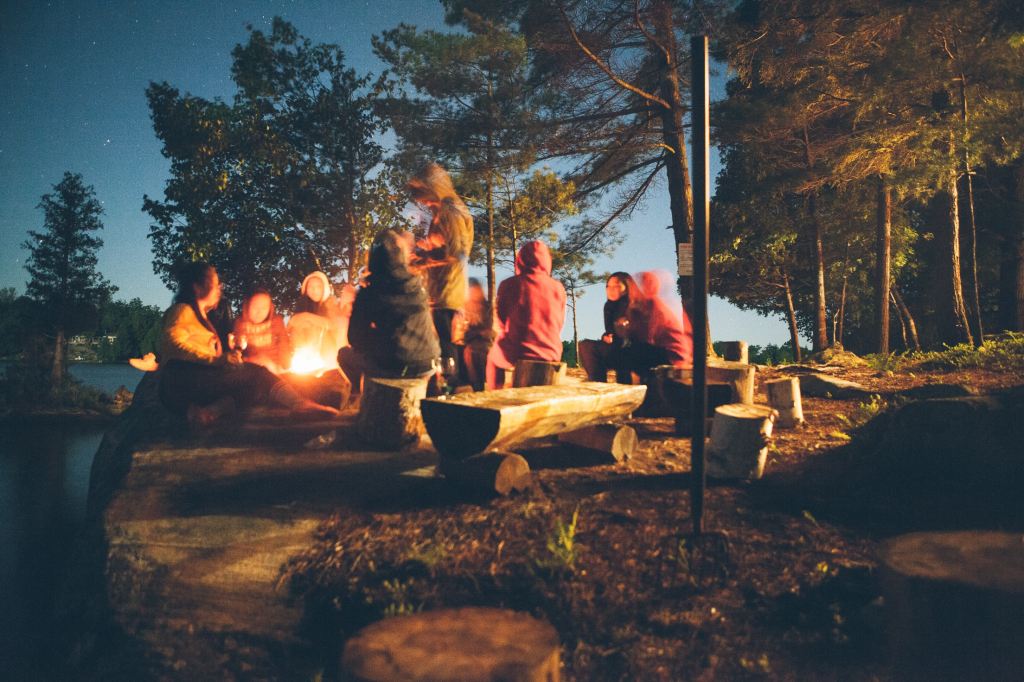
Functions: More Than Just a Story
Folk tales serve various functions beyond mere storytelling because they are deeply ingrained in the fabric of human societies and have evolved over time to fulfill diverse roles. With a multifaceted nature, these tales play an integral role in human societies. They are not just stories but carriers of culture, values, history, and psychology that have enriched human lives for centuries.
Here are some of the main functions folk tales serve for the reader:
Moral Lessons
Many folk tales contain moral lessons and guiding principles for human behavior. These tales were actually designed to impart moral values and ethical lessons to those who consumed the stories. Through engaging narratives, they provide examples of consequences and rewards associated with certain behaviors, making these lessons more memorable and relatable, especially for children.
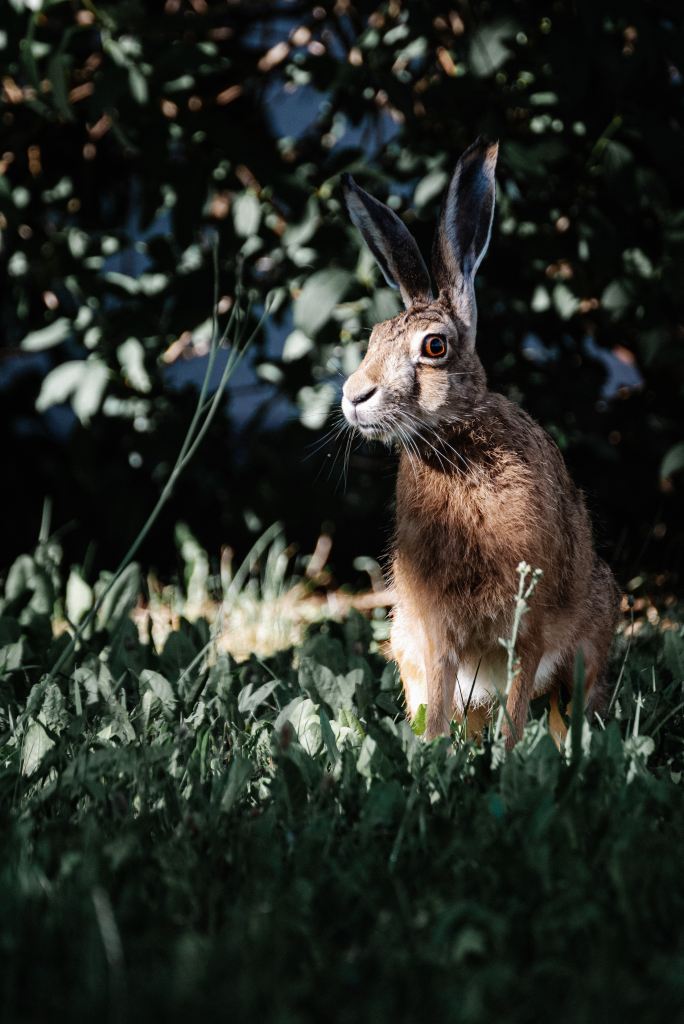
For instance, Aesop’s fables often have animals portraying human traits to convey morals such as humility, honesty, and kindness. One of the most well-known lessons from Aesop’s fables is conveyed through the fable “The Tortoise and the Hare.” This story has become synonymous with the adage, “Slow and steady wins the race.”
In this fable, a hare mocks a tortoise for his slow pace. Tired of the hare’s arrogance, the tortoise challenges him to a race. The hare, confident in his speed, quickly dashes ahead and gains a significant lead, displaying overconfidence and complacency. The hare decides to nap under a tree because he is far ahead and thinks the tortoise could never catch up. Meanwhile, the tortoise continues to move steadily toward the finish line displaying perseverance and consistency as the main lesson of the story. By the time the hare wakes up and realizes that the tortoise is nearing the finish line, it is too late. The hare tries to catch up, but the tortoise crosses the finish line first, winning the race.


Entertainment
People crave connection, and they crave entertainment as a way to connect. Beyond teaching cultural norms, as I discussed in the origins section, folk tales have entertained people for centuries through imaginative plots and enchanting characters.
The element of fantasy allows for the suspension of disbelief and an engaging experience. Folk tales cater to multifaceted human interests and needs. They are not just stories but an amalgamation of culture, emotion, imagination, wisdom, and tradition, presented in an entertaining package that appeals to the human psyche.

Psychological Catharsis
Folk tales often allow people to confront and work through psychological fears and conflicts. In psychological terms, Catharsis refers to releasing and relieving strong or repressed emotions through various means. Here is how folk tales contribute to this process:

- Emotional Release: These stories often evoke strong emotions in the listener or reader. Engaging with these emotions through the safe medium of a story can lead to emotional release and relief, whether it’s joy, sorrow, anger, or fear.
- Facing Fears and Anxieties: Folk tales frequently deal with dark or fantastical elements that embody human fears and anxieties. Engaging with these fears within the safe context of a story allows individuals, particularly children, to confront and process fears in a controlled environment.
- Moral and Ethical Resolution: Folk tales often address moral dilemmas and ethical conflicts. When justice is served or a character learns an important lesson, it can provide the audience a sense of satisfaction and closure, relieving tensions associated with moral and ethical concerns.
- Symbolic Expression: Folk tales use symbolism and allegory to express complex emotional and psychological concepts. By engaging with these symbols, individuals can gain insights into their own emotions and experiences, leading to emotional release and understanding.
- Coping with Loss and Grief: Many folk tales deal with themes of loss, sacrifice, and grief. Through the story, individuals mourning a loss may find comfort and a way to process their grief by relating to characters undergoing similar experiences.
Folk tales work their magic by allowing individuals to engage with, process, and release emotions in a controlled and meaningful way. Through identification, symbolic expression, emotional release, and reflection, folk tales contribute to emotional well-being and psychological processing.
The Cultural Cauldron: Variations Across the World
Different cultures have imbued folk tales with their unique flavors. Engaging with folk tales across different cultures can be extremely beneficial for a writer. For instance, European Folk Tales, popularized by collectors like the Brothers Grimm and Charles Perrault, often feature dark forests, enchanting castles, and mystical creatures. Notable tales include Cinderella, Hansel and Gretel, and Little Red Riding Hood.
African Folk Tales, rooted in oral tradition, are traditional stories originating from the African continent’s diverse cultures. Often featuring animals, spirits, gods, ancestors, and humans, Anansi the Spider is a popular character who uses wit and trickery to outsmart others.
Then, Asian Folk Tales are rich with legends of spirits, gods, and mythical creatures. They reflect the diversity of the continent. For instance, Japan’s Urashima Taro is about a fisherman’s underwater adventure, while India’s Panchatantra is a collection of animal fables.
Last, but certainly not least, the popular Native American Folk Tales often encompass spiritual beliefs, creation myths, and a deep reverence for nature. The indigenous people of North America have a vast repertoire of myths and tales to teach wisdom and belief systems. Characters like the trickster Coyote are central to many Native American stories.



Contemporary Echoes: Folk Tales in Modern Literature
Folk tales continue to shape contemporary literature and media. Popular stories or novels are not typically considered folk tales, as they are primarily passed down through oral tradition or informal means and usually belong to a community instead of having a single known author. However, some popular stories and novels can be seen as modern retellings or may incorporate folk tales and urban legends elements in their narrative. These modern adaptations often reinterpret or retell classic folk tales to address contemporary themes and issues. Additionally, certain stories or characters from popular culture can become so ingrained in society that they take on a folkloric quality.
Here are a few examples:
- Harry Potter Series (J.K. Rowling): While not a folk tale in the traditional sense, the Harry Potter series incorporates many elements of folklore, myths, and legends. The widespread popularity and cultural impact of Harry Potter have led some to view it as a modern myth or legend.
- American Gods (Neil Gaiman): In this novel, Neil Gaiman weaves together traditional mythology and modern American culture. The story involves ancient gods trying to find their place in the modern world and new gods that reflect modern-day obsessions with media, technology, and fame.
- The Percy Jackson Series (Rick Riordan): This series incorporates Greek mythology into modern-day settings, with characters who are demigods dealing with contemporary issues. This blending of myth and modernity can be seen as a new form of folk tale for a younger audience.
While popular stories or novels themselves are not folk tales, they can either incorporate elements of folklore or, through their cultural impact, evolve into modern legends that share similarities with traditional folk tales. The stories and characters that resonate with the collective imagination of a society can take on a life of their own and serve functions similar to those of traditional folk tales.

The Everlasting Allure of Folk Tales
Folk tales are an inexhaustible well of human creativity, wisdom, and imagination that have captivated hearts and minds for centuries. Their enduring charm lies in their ability to transcend time and borders, uniting people through shared stories that reflect the spectrum of human experience.
As society evolves, so do folk tales, and they continue to be a reservoir from which authors, filmmakers, and storytellers draw inspiration. They offer a glimpse into the past and present an opportunity for reflection on contemporary society through their timeless themes.

In an increasingly globalized world, folk tales also hold the key to fostering intercultural understanding and appreciation. They allow us to discover the richness of cultures beyond our own, and recognize the shared human values that underlie different traditions. In exploring the folk tales of another culture, we engage in a dialogue that breaks down barriers and broadens our horizons.
Folk Tales and Publishing
Folk tales can be of interest to publishers for various reasons. The extent of interest may vary depending on market trends, the publisher’s niche, and the unique angle or quality of the work being submitted. Because these stories often encompass universal themes and morals that resonate with readers across ages and cultures.
This timeless appeal can make them commercially viable as they can attract a broad audience. There has been a resurgence in interest in folklore and mythology in recent years, as seen in popular book series and TV shows. Publishers might look for folk tales that can tap into this trend.
Educators and parents should recognize the value of introducing folk tales to the younger generation. Children are entertained and given the tools to develop empathy, critical thinking, and a sense of identity. Children grow by being rooted in the understanding of their own cultural heritage and that of others. For this reason and a multitude of others, Ninth House Moon is looking for stories of this nature.
However, it’s essential for authors and contributors to understand that merely presenting a folk tale may not be enough. Many publishers look for a unique angle, contemporary relevance, or a creative retelling that can capture the imagination of the modern reader. Quality of writing, illustration, and presentation can also be key factors in attracting a publisher’s interest.

Custodians of Timeless Treasures
Ultimately, folk tales are a testament to the boundless creativity of the human spirit. They are mirrors reflecting our past, lenses focusing on our present, and windows into future possibilities. As custodians of these timeless treasures, we are responsible for ensuring that the enchanting tapestry of tales continues to be woven through the annals of time.
So, the next time you come across one, whether it’s an age-old classic or a contemporary reinterpretation, let yourself be swept away into its world. Immerse yourself in its magic. Learn from its wisdom. Then, pass on the story, for in doing so, you become a part of the wondrous legacy that is the folk tale.
“Fairy tales are more than true: not because they tell us that dragons exist, but because they tell us that dragons can be beaten.” – Neil Gaiman, Coraline

 ninthhousemoon.com
Leave a comment