
The tarot, a centuries-old tool steeped in mystery and symbolism, isn’t just a means for divination or reflection—it can also be an invaluable storytelling resource. Whether you’re an established author wrestling with writer’s block or an aspiring writer seeking inspiration, the tarot’s complex narratives and vivid imagery can infuse your creative process with newfound perspective and depth.
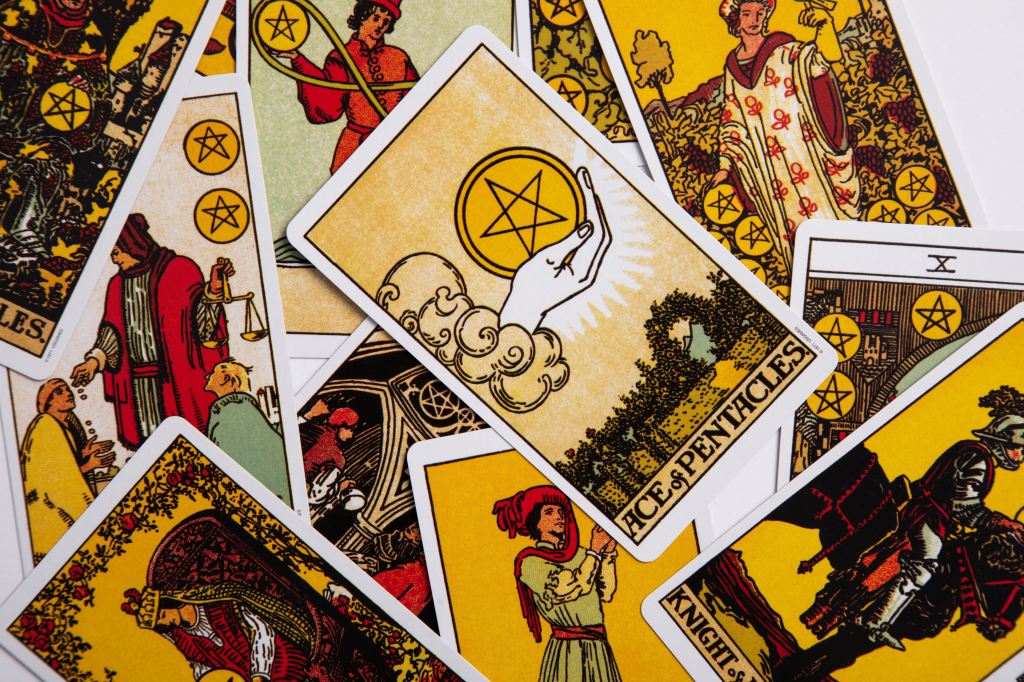
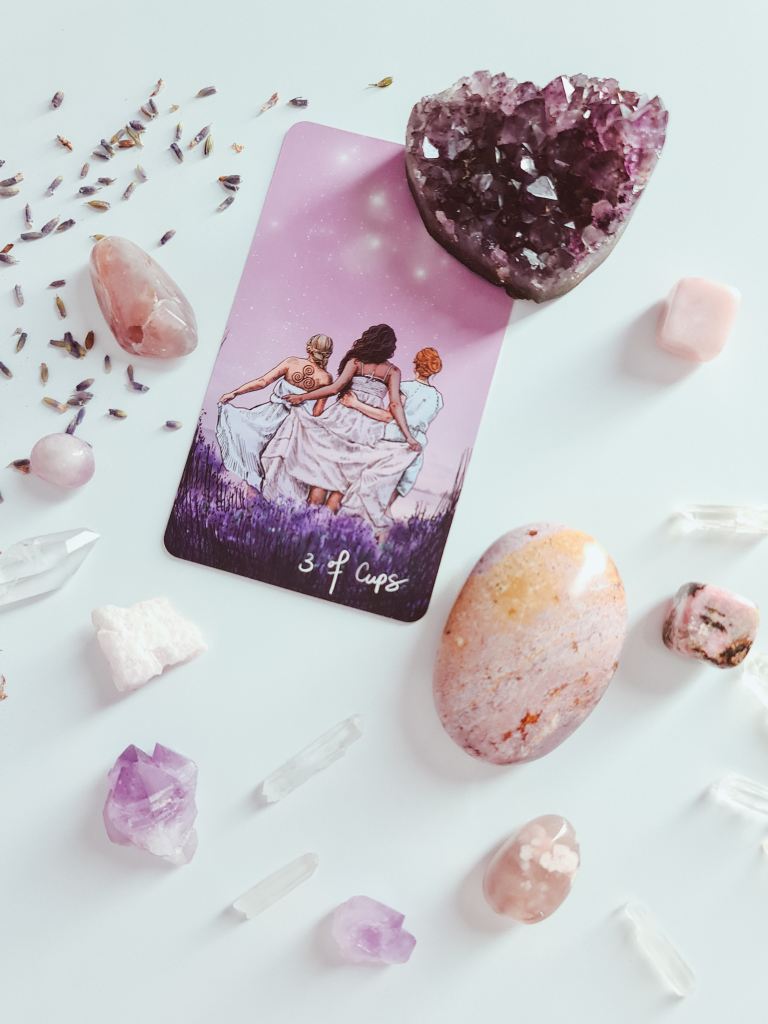
Firstly, let’s define what the tarot is exactly. A tarot deck is composed of 78 cards, divided into the Major Arcana (22 cards representing significant life lessons) and the Minor Arcana (56 cards akin to a traditional deck of cards, with four suits representing various aspects of life). Together these make up the entirety of the tarot and can be combined in a myriad of ways to form countless interpretations.
I like to think of the Major Arcana as representative of the turning points in our lives. The happenings and decisions that branch us off on a new path. Then, I like to envision the Minor Arcana as the day-to-day happenings that help guide us along our paths. Each card is packed with layered symbolism and rich narratives, providing a springboard for myriad stories and ideas.
The Tarot as a Narrative Blueprint
Each tarot card is a story in and of itself, encapsulating characters, themes, conflicts, and resolutions. In the Major Arcana, for example, we follow the Fool’s journey—a metaphorical trek through life’s trials, tribulations, and triumphs. This sequence, known as the Fool’s Journey, outlines a classic narrative arc that echoes common storytelling frameworks like the Hero’s Journey. In this context, the tarot offers a blueprint for character development and plot progression.
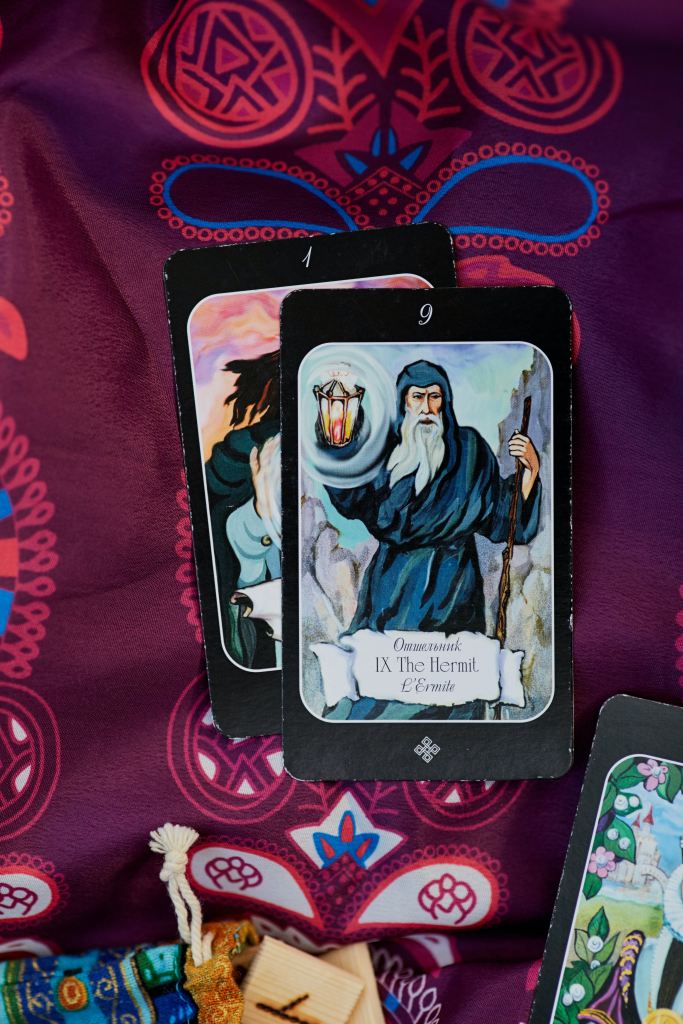
Narrative ideas from the Major Arcana
The Major Arcana’s Death card, often misunderstood as a symbolizing the physical end of life, actually signifies transformation—a common trope in literature. The Lovers card, meanwhile, doesn’t only represent romantic love but also signifies choices and dilemmas. Cards like the High Priestess and the Hermit symbolize wisdom and introspection—themes that can enhance a character’s depth or suggest a plot direction.
The Minor Arcana’s Contribution to the Narrative
The Minor Arcana, though less grandiose, is equally potent for storytelling. Each suit (Cups, Wands, Swords, Pentacles) corresponds to an element (Water, Fire, Air, Earth) and a realm of experience (Emotions, Inspiration, Thought, Material World), providing a palette of tones, moods, and settings. The narratives within these cards can generate ideas for subplot developments, interpersonal dynamics, and character traits.
The Tarot as a Creative Catalyst
Let’s delve into how tarot can help overcome writer’s block. This daunting impediment often stems from the fear of the blank page or the apprehension of where or how to steer the narrative. With its pre-defined symbolic narratives, the tarot offers itself as an accessible tool for breaking through these barriers.
Ideas for Narrative Development Using The Tarot
Character Creation: Draw a card to inspire a new character. For instance, drawing the King of Wands might suggest a charismatic leader with a flair for drama, whereas the Seven of Swords may indicate a character with a deceitful streak. The combination of multiple cards can create complex characters with strengths, weaknesses, desires, and fears.

Plot Development: Stuck with where to take your narrative next? Draw a card and let it guide the way. The Wheel of Fortune could prompt a sudden turn of events, while the Tower suggests a dramatic upheaval that forces characters to confront their fears.

Theme Exploration: Tarot cards embody universal themes. Drawing the Justice card could inspire you to delve into your story’s themes of fairness and moral balance. Conversely, the Star card might nudge you towards themes of hope and renewal.

Setting and Mood: The four suits of the Minor Arcana can provide a sensory springboard for creating immersive settings. Cups, associated with water and emotions, might evoke a coastal town fraught with romantic entanglements, while Pentacles, associated with earth and the material world, could suggest a bustling city teeming with commerce and ambition.

Developing a Routine
Using tarot for storytelling isn’t just about one-off inspiration. It can also form part of a routine to kickstart your writing sessions. Start each session by drawing a card and free writing for five minutes on whatever the card brings to mind. This practice can serve as a warm-up exercise that greases your creative gears and helps you transition into your main writing project.

Plotting and Storyboarding
Tarot can also be used in plotting or storyboarding your narrative. Lay out a tarot spread with each card representing an aspect of your story—characters, plot twists, conflicts, resolutions—and let the resulting narrative guide your writing process. This can be an effective way to visualize your narrative arc and keep track of where your story is headed.
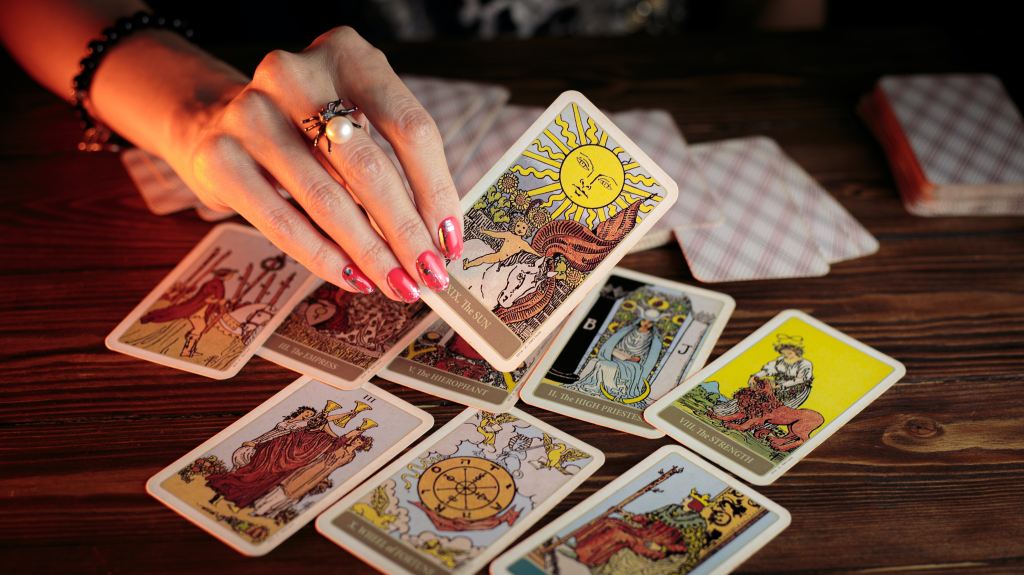
It’s essential to note that you are not bound to the tarot’s traditional interpretations. The beauty of the tarot lies in its versatility and subjective nature. Feel free to interpret the cards in a way that resonates with you and your story.
Using Tarot as a Tool, Not a Rule
While the tarot can serve as a valuable storytelling tool, remember that it should guide, not govern, your creative process. Its purpose is to stimulate ideas, provide direction, and offer a fresh perspective. Ultimately, you are the author of your narrative, with the power to shape your characters, plots, and worlds as you deem fit.
Finally, engaging with tarot for storytelling doesn’t require belief in its spiritual or divinatory aspects. You need not be a seasoned tarot reader or adhere to its mystic origins. At its core, each tarot card is a miniature story packed with symbolism and universal themes—making it a treasure trove of inspiration for any writer.
Unlock Boundless Possibilities
The tarot can teach us the power of archetypal storytelling. It provides a rich tapestry of ideas to inspire our writing. The cards provide a diverse range of characters, themes, conflicts, and resolutions. These can unlock boundless narrative possibilities and provide a refreshing antidote to writer’s block. So, the next time you find yourself staring at a blank page, why not shuffle a deck of tarot cards? See just where the journey takes you and your story.

 ninthhousemoon.com
Leave a comment