

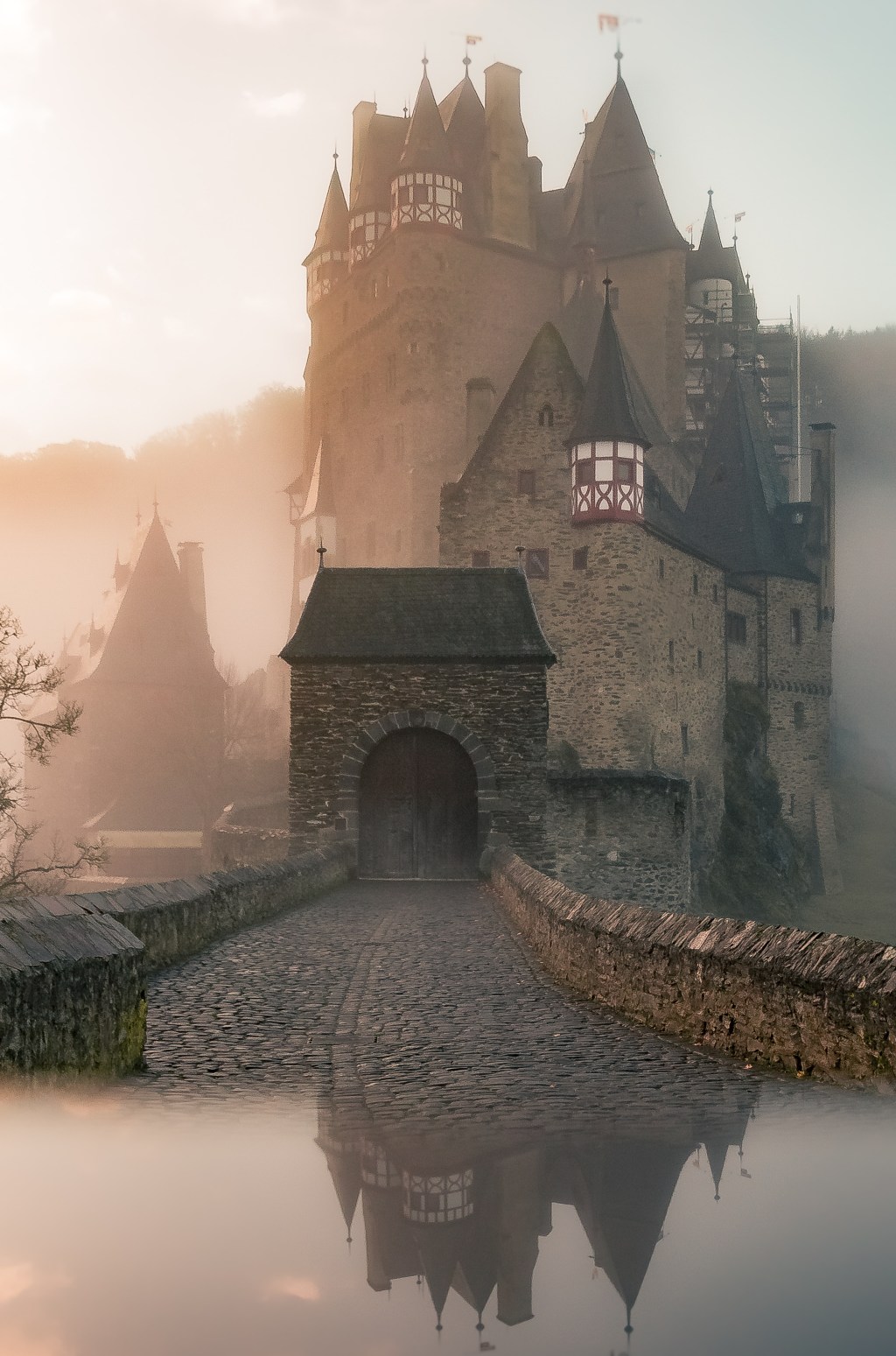
Once upon a time…
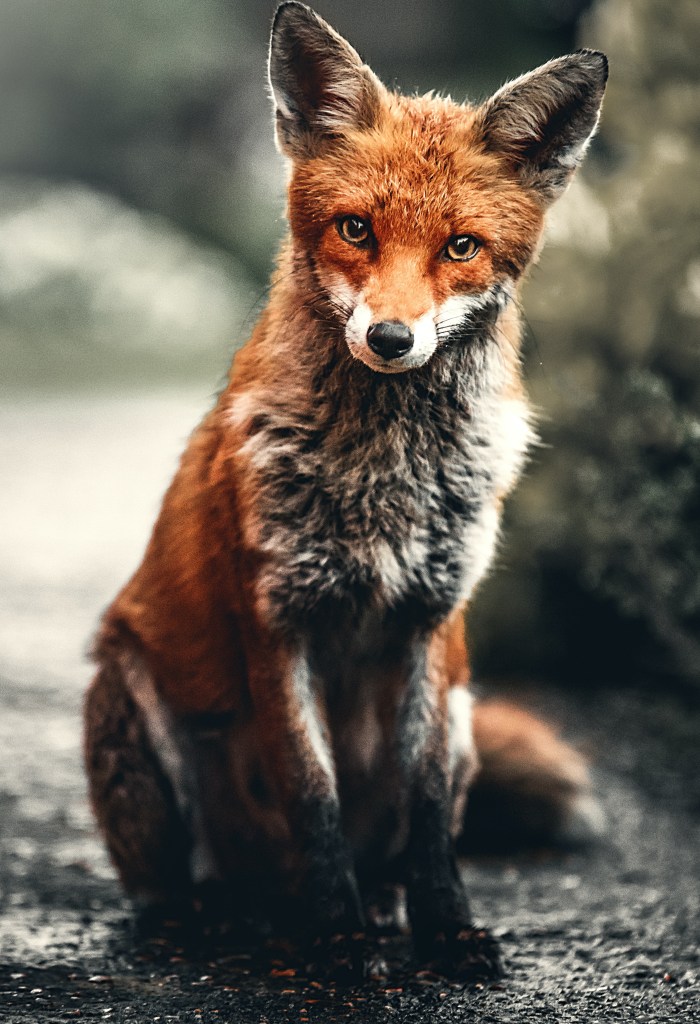
Before printed books or even the written word, folk tales were the medium through which stories were passed down from generation to generation. This vibrant tradition, steeped in the cultural milieu of countless societies, spans the breadth of human experience, imbuing the ordinary with extraordinary significance. As we immerse ourselves in these timeless tales, we find a wealth of narrative styles and structures, which offer myriad opportunities for modern writers. This blog explores different types of folk tales and underlines why writers should embrace this genre.
Folk tales encapsulate the rich tapestry of human history, culture, and tradition. Typically, they are divided into four major categories: fairy tales, myths, legends, and fables.
Fairy Tales
Fairy tales are imbued with magic and often include mystical creatures. They have a certain charm that enthralls readers and listeners, regardless of age. Stories like “Cinderella,” “Snow White,” or “Jack and the Beanstalk” all fall under this category. They often include clear moral lessons and promote virtues such as bravery, honesty, and kindness. Writing in this style allows authors to let their imagination run wild and to engage their readers with tales that embody universal human experiences within fantastical settings.

Myths
Myths delve into the mysteries of life, the universe, and the divine. They are deeply symbolic stories that reflect cultural and religious beliefs and values. Greek myths like “The Odyssey,” or Norse myths like “The Prose Edda,” are examples of this genre. For writers, myths offer a framework to explore profound, existential questions. Drawing from mythology allows writers to echo deep-rooted archetypal characters and narratives, resonating with readers on a subconscious level.

Legends
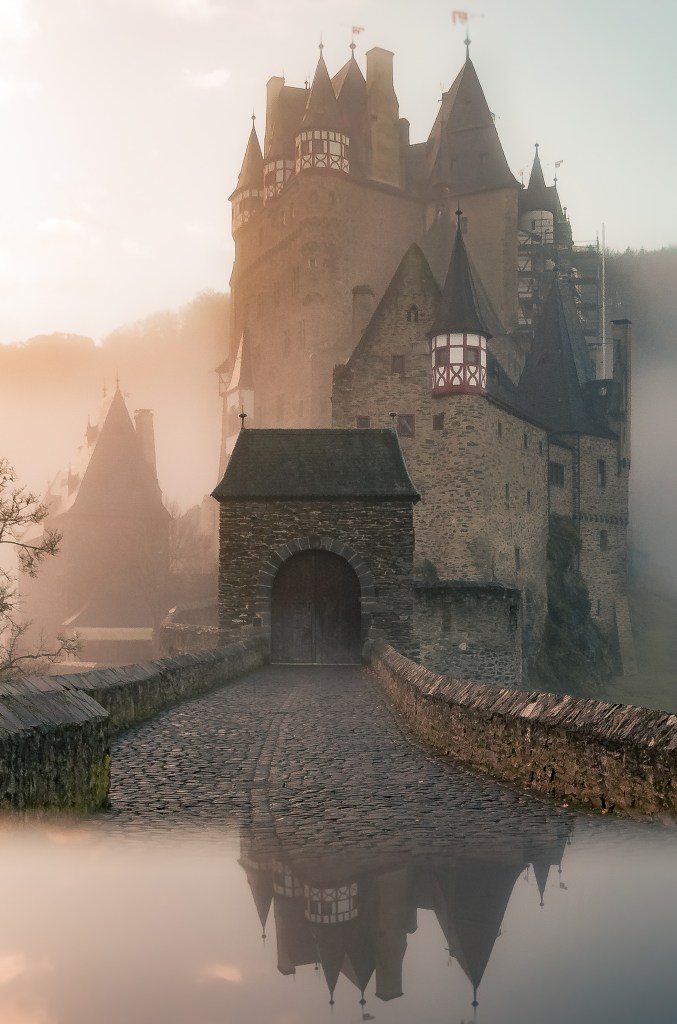
Legends are semi-true stories that have been passed down through generations, usually orally. They are based on historical events or figures but are embellished over time, blurring the lines between fact and fiction. The legend of King Arthur, Robin Hood, or Joan of Arc are well-known examples. When a writer embraces legends, they tap into a rich storytelling tradition and engage in a dialogue with history. By reshaping and reimagining the legends, they can create familiar and fresh narratives.
Fables
Fables are succinct stories that often feature animals as characters and end with a moral. The most recognized fables come from Aesop, with stories like “The Tortoise and the Hare” or “The Boy Who Cried Wolf.” Writing in the fable tradition allows authors to package complex ethical lessons within simple, engaging narratives. The anthropomorphized animal characters add a layer of distance that can make these lessons more palatable and accessible.
Why, then, should modern writers embrace the folk tale?
Connection to Our Roots
Folk tales carry the wisdom, beliefs, and experiences of our ancestors. They are bridges to the past that help us understand the roots of our cultures and societies. By writing folk tales, authors can keep these traditions alive, ensuring that they continue to be part of our shared human experience.



Timeless Appeal
The themes of folk tales—heroism, justice, love, sacrifice, and trickery—are universal, timeless, and relatable. They touch upon fundamental human emotions and experiences, making them compelling to readers across time and culture. By tapping into these archetypal narratives, writers can create stories that resonate deeply with their audience.

Flexibility and Creativity
Despite their age-old nature, folk tales offer enormous scope for creativity. They can be reimagined, retold, and adapted in endless ways. The possibilities are limitless, from setting Cinderella in space to transforming the Big Bad Wolf into a misunderstood hero. This narrative flexibility can push writers to test their creativity and produce distinctive, engaging stories.

Moral and Ethical Exploration
Folk tales often grapple with ethical dilemmas and moral lessons. They allow writers to explore complex issues in a palatable, accessible way, potentially sparking important discussions among readers.
Enhanced Reader Engagement
Folk tales’ simplicity, charm, and inherent suspense can draw readers in quickly. Their familiarity also allows readers to immediately connect with the story, increasing engagement. Moreover, the use of archetypes can resonate with readers on a subconscious level, making the stories more memorable and impactful.
Folk Tales are Timeless Tales
Folk tales offer a vast treasure trove of narrative possibilities. They connect us to our past, allow the exploration of complex themes, fuel our imagination, and hold timeless appeal. For writers willing to delve into the richness of this genre, folk tales are not only a source of inspiration but also a powerful tool for crafting stories that resonate with readers.

In the rapidly changing world of modern literature, folk tales offer grounding in our shared human heritage. They remind us that while settings, characters, and circumstances may change, the essence of storytelling—conveying universal human experiences and emotions—remains constant. By embracing folk tales, writers can celebrate this tradition while infusing it with their unique voice and perspective, creating stories that will delight and inspire for generations to come.
So why not give it a try? Start with a simple fable, dive into a legend, explore a myth, or create your own fairy tale. The world of folk tales is waiting to be discovered, and who knows, your story might become part of the future’s folklore.

 ninthhousemoon.com
Leave a comment