


The creative process is a mysterious, intangible force that drives artists, writers, and innovators. It is the wellspring from which the most profound ideas, inventions, and masterpieces emerge.
But how can we tap into this powerful source, thereby unleashing creativity?
Some may argue that spirituality and mysticism are key to unlocking our creativity’s full potential. Let’s explore how these ancient practices can enhance the creative process, helping us to unleash our true potential.

Understanding Spirituality and Mysticism

Before diving into their relationship with creativity, it’s essential to define spirituality and mysticism. Spirituality refers to a person’s search for meaning, purpose, and connection with something greater than oneself. It is an individual journey that often encompasses beliefs, practices, and experiences that transcend the material world.
Mysticism, on the other hand, is a branch of spirituality that seeks direct, personal experiences of the divine or ultimate reality. Through contemplative practices such as meditation, prayer, or other spiritual exercises, Mystics aim to achieve a profound connection or union with the divine.
The Creative Process
The creative process involves generating original ideas, concepts, or works of art through a combination of imagination, intuition, and inspiration. It is often described as a nonlinear, unpredictable, and organic process that can be influenced by external and internal factors. These factors can include personal experiences, emotions, cultural influences, and the environment.
Spirituality and the Creative Process
Understanding the differences between spirituality, mysticism, and creativity depends on cultural interpretations of the words. Some think they are more alike than not. So, how can mystical or spiritual practices guide the creative process?

Inner Exploration
Spirituality encourages us to delve deep into our inner selves and examine our thoughts, feelings, and beliefs. This self-reflection fosters self-awareness and self-knowledge, which are crucial for creative expression.
By understanding our emotions and experiences, we can draw upon them to create authentic, meaningful, and original works of art.
Take walks in nature, meditate, dance, have a bonfire, swim, and honor yourself with quiet moments of reflection. Within these moments, you will find the ideas floating around, waiting to be made tangible.
Cultivating Presence
As one explores their inner world, the present moment takes center stage.
Many spiritual practices, such as meditation and mindfulness, emphasize the importance of being present in the moment. By quieting the mind and tuning into the present, we can more easily access our intuition and tap into the creative flow.
A calm, focused mind is more open to receiving inspiration, allowing us to be more receptive to new ideas and creative insights.
Overcoming Creative Blocks
Creative blocks are obstacles that hinder the creative process, often manifesting as self-doubt, fear, anxiety, or a lack of inspiration. Some people are plagued with these blocks, and it makes finishing (or even beginning) a work extremely difficult.
Spirituality can help overcome these challenges by fostering a sense of inner peace, trust, and acceptance. By connecting with a higher power or purpose, we can gain the confidence and clarity needed to move past creative blocks and access our full creative potential.

Mysticism and the Creative Process
Mysticism and the creative process intertwine, as both explore the depths of human consciousness. Artists and mystics access the divine by transcending rational thought, unveiling hidden realms. This symbiosis fosters a boundless well of inspiration, empowering creators to manifest profound, visionary works that resonate with universal truths.
Accessing the Unconscious
Mystical experiences often involve accessing deeper layers of the unconscious mind, where creative ideas and inspiration reside.
Practices such as meditation, visualization, or lucid dreaming can help us tap into this vast reservoir of untapped potential, allowing for the emergence of novel ideas and insights.
Embracing the Unknown
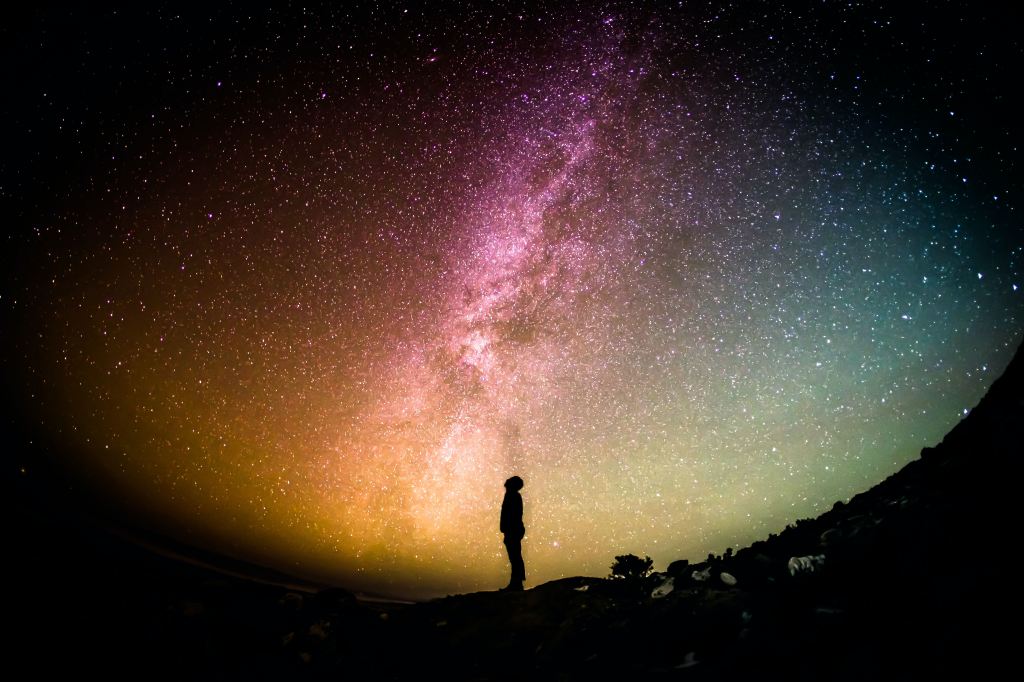
Mysticism encourages us to embrace the unknown and explore the mysteries of the universe. This openness to uncertainty and ambiguity can help us overcome the fear of failure and take creative risks.
We can make groundbreaking discoveries and create truly original works by stepping out of our comfort zones and challenging conventional boundaries.
Transcending the Ego
One of the primary goals of mysticism is to transcend the ego, the sense of self that can be limiting and restrictive. By dissolving the ego, we can access a state of oneness with the universe, which can lead to heightened creativity.
In this state, we are no longer confined by our individual limitations, and our creative expression can flow freely and uninhibited.

Practical Ways to Incorporate Spirituality and Mysticism into the Creative Process
Establish a Meditation Practice
Meditation is a powerful tool for calming the mind and tapping into the creative flow. By dedicating time each day to quiet reflection, you can develop greater self-awareness, mental clarity, and focus. Experiment with different meditation techniques, such as mindfulness, loving-kindness, or transcendental meditation, to find the one that works best for you.
Engage in Contemplative Art

Contemplative art combines creative expression with mindfulness and introspection. Techniques such as mindful drawing, painting, or writing can help you explore your inner landscape and uncover hidden insights or ideas. By engaging in contemplative art, you can harness the power of spirituality to inform and inspire your creative work.
Seek Inspiration from Sacred Texts and Teachings
Many spiritual traditions offer profound wisdom and insights that can spark creativity. Delve into sacred texts, explore mystical teachings, or attend workshops and retreats to deepen your understanding of spirituality and its connection to the creative process. By immersing yourself in these teachings, you may discover new perspectives and ideas that can enrich your creative endeavors.
Cultivate Gratitude and Humility
Spirituality and mysticism often emphasize the importance of gratitude and humility. By acknowledging the interconnectedness of all things and the role of a higher power in the creative process, we can remain grounded and open to inspiration. Start a gratitude journal, or make it a daily practice to express appreciation for the gifts and opportunities that life has given you.
Embrace Nature and Solitude
Nature has long been a source of inspiration and wisdom for artists and mystics alike. Spending time in natural settings can help quiet the mind, awaken the senses, and foster a sense of connection with the divine. Schedule regular outings to local parks, forests, or bodies of water to immerse yourself in nature and draw inspiration from its beauty.

Embrace the Wisdom Within
Integrating spirituality and mysticism into our creative lives can unlock new depths of inspiration, intuition, and originality. These practices enrich our creative work and provide us with a sense of purpose, meaning, and connection that can sustain us in our artistic endeavors.
By embracing the wisdom of ancient spiritual traditions and exploring the mysteries of the universe, we can unleash our full creative potential and create works that resonate with our deepest selves and the world around us.

 ninthhousemoon.com
Leave a comment